
Ideas, details & craftsmanship
U, X or trapezoid table legs: which shape gives better seating space?
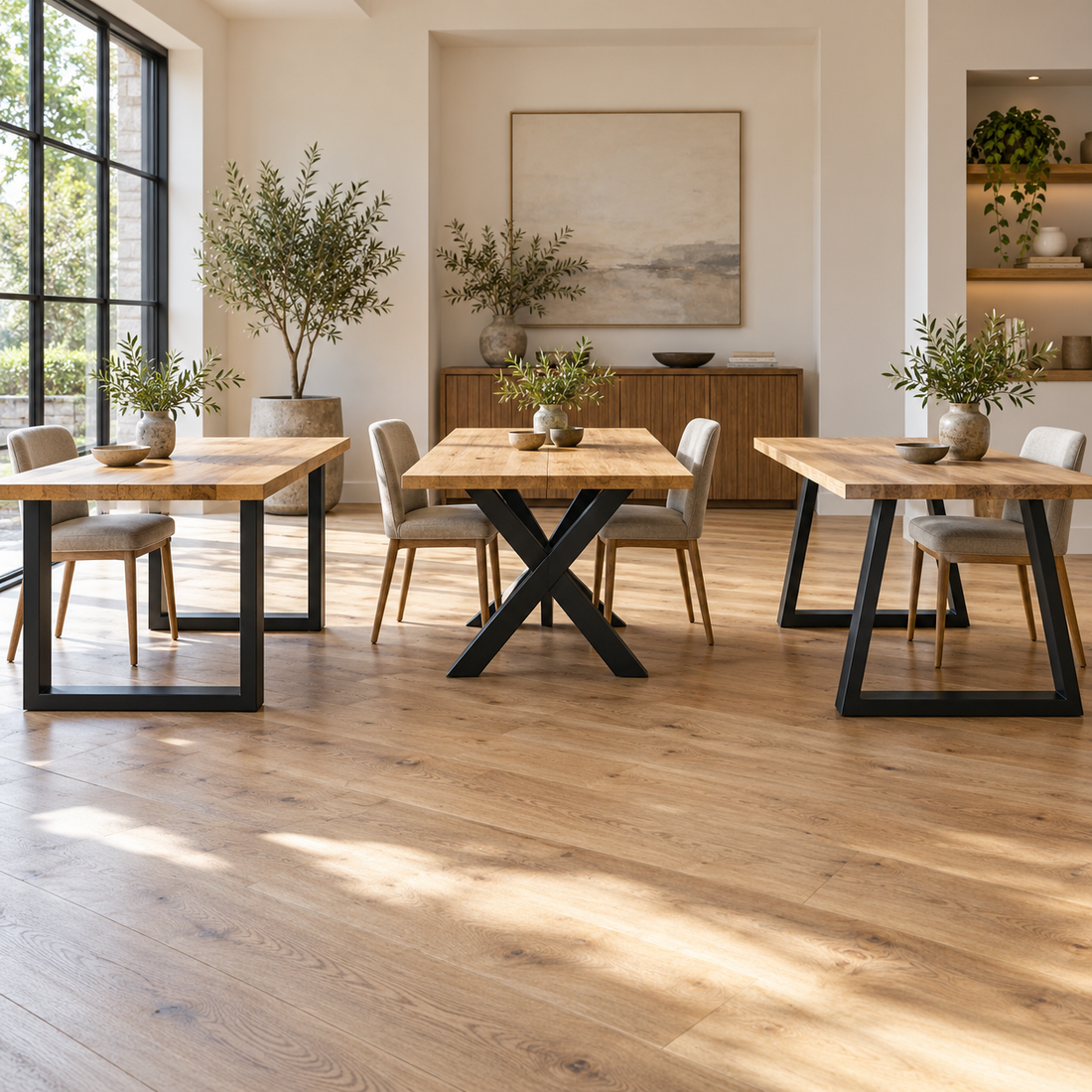
Choose U-shaped legs when you want a simple layout and do not need to use the table ends regularly. Choose an X-shaped base when you want the support moved away from the corners and need more freedom around the perimeter. Choose trapezoid legs when you prefer an angled look, but check where the sloping steel meets knees and chair legs. The best shape is the one that fits your actual seating plan and tabletop dimensions.
Why the shape changes usable seating
The same tabletop can feel very different depending on where the steel reaches the floor and where the upper mounting plate sits. End frames can reduce room at the short sides. Central structures can free the corners but occupy space closer to the middle. Angled legs may open one zone and narrow another.
Product photos alone do not show this reliably. Mark the real footprint of the selected size on the floor and place the intended chairs around it before ordering.
U-shaped legs: clear geometry and predictable placement
Two U frames are usually easy to align near the ends of a rectangular top. They suit a clean, architectural look and leave the long sides visually open. The main check is end seating: when a frame sits too close to the short edge, a chair can meet the lower rail or a guest's knees can meet the upright.
Move the frames inward only within the support and mounting limits of the tabletop. A larger overhang does not automatically mean a safe or comfortable layout.
X-shaped base: more freedom around the corners
An X form concentrates the structure toward the centre and can leave the table corners open. This is useful when chairs need to move around the perimeter or when end seats are important. The trade-off is central foot space: crossed members can sit where people naturally place their feet.
Check the full footprint at floor level, not only the narrow point under the tabletop. For long tops, also confirm that the chosen construction provides the support specified for that size and material.
Trapezoid legs: angled style with a changing footprint
Trapezoid frames lean inward or outward depending on the model. This creates a lighter visual angle, but the space available to a chair changes from the tabletop down to the floor. Test both knee clearance and chair-leg clearance at the intended position.
At the ends, compare the lower width of the frame with the chair width. Along the sides, check whether the angled upright crosses the path used when sitting down.
A five-minute seating test
- Draw the tabletop outline on the floor with masking tape.
- Mark the exact footprint and mounting position from the selected product drawing.
- Place every intended chair, including end chairs.
- Sit down and check knees, feet, chair legs and the path used to enter the seat.
- Repeat the test with the chair pulled back as it would be after a meal.
Quick comparison
| Shape | Usually strongest seating advantage | Main point to check |
|---|---|---|
| U | Clear long sides | End-seat clearance |
| X | Open corners and flexible perimeter | Central foot space |
| Trapezoid | Angled look with visual openness | Changing width from top to floor |
Compare the actual dimensions
Browse U-shaped table legs, X-shaped table legs and trapezoid table legs. For every option, compare the selected variant's height, width, mounting plate and floor footprint with your tabletop and chair plan.
If the combination is not documented, send the tabletop length, width, thickness, material and estimated weight together with the chair dimensions before ordering.
More ideas for your next project
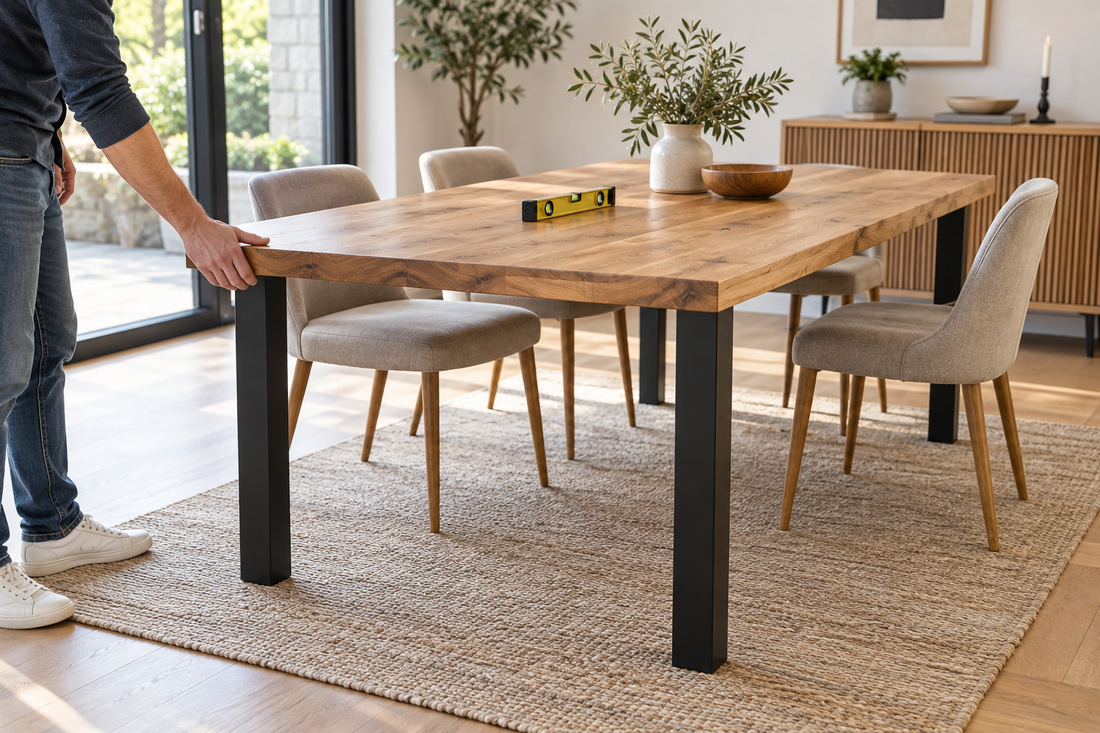
Why does a table wobble? Diagnose it before replacing the legs
Find the real cause of a wobbly table by checking the floor, feet, fasteners, tabletop and frame in the right order.
Read the guide : Why does a table wobble? Diagnose it before replacing the legs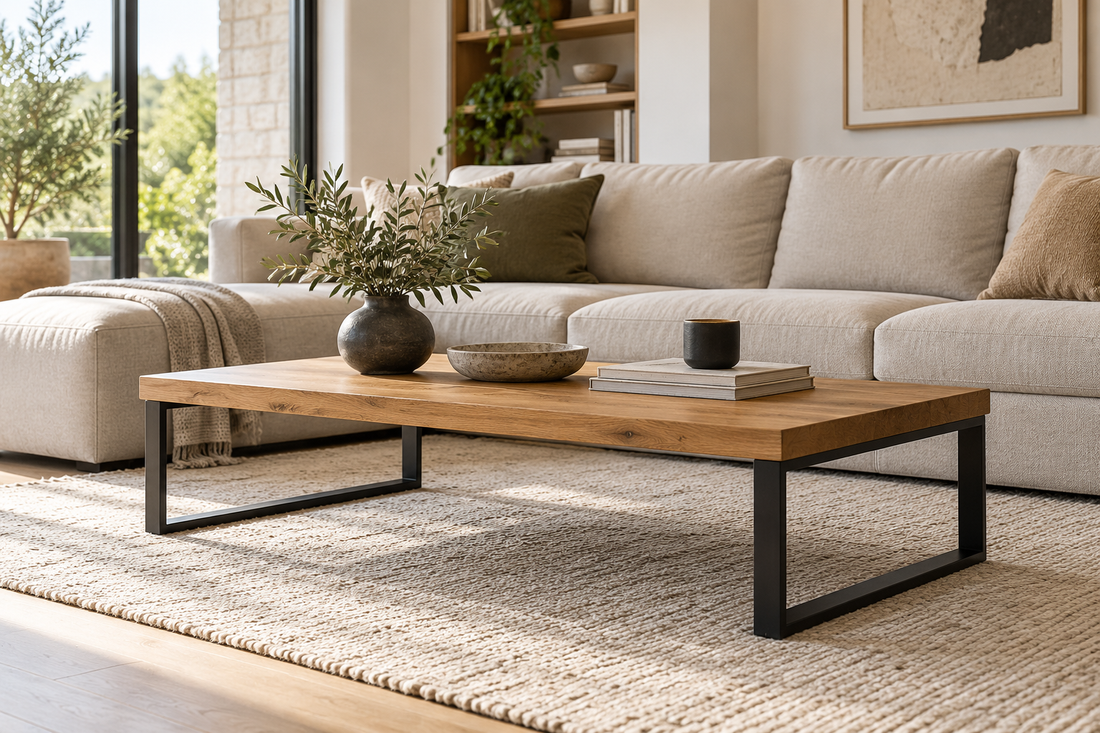
Coffee table height: how to choose the right legs for your sofa
Choose coffee-table height from your sofa seat, tabletop thickness and intended use, then select metal legs for the right finished height.
Read the guide : Coffee table height: how to choose the right legs for your sofa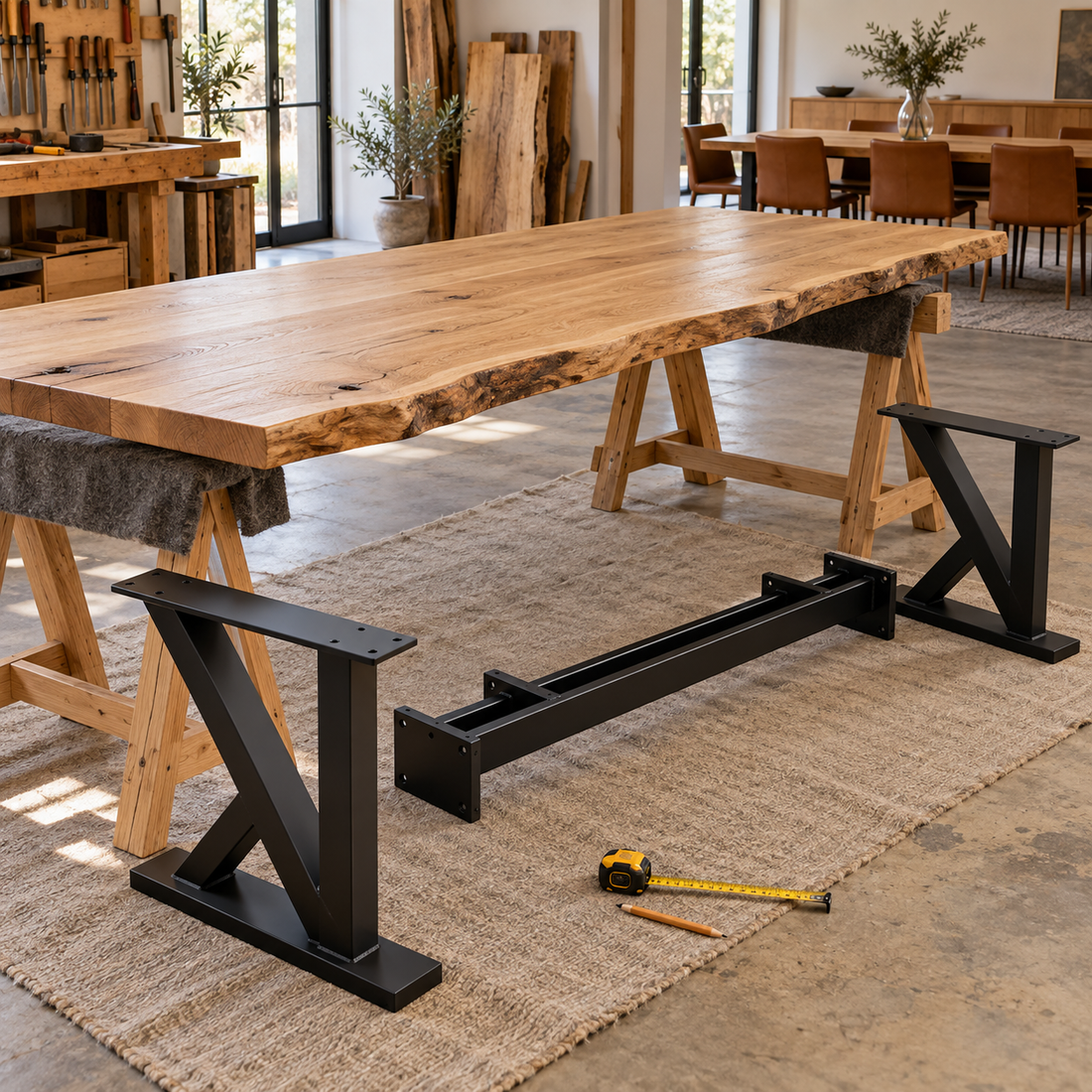
Metal table legs for a solid-wood top: what to check before drilling
Choose metal legs for a solid-wood tabletop by checking the slab, support layout, movement allowance, fasteners, seating clearance and total weight.
Read the guide : Metal table legs for a solid-wood top: what to check before drilling